Need Help?
Submit a Ticket
Submit a Ticket
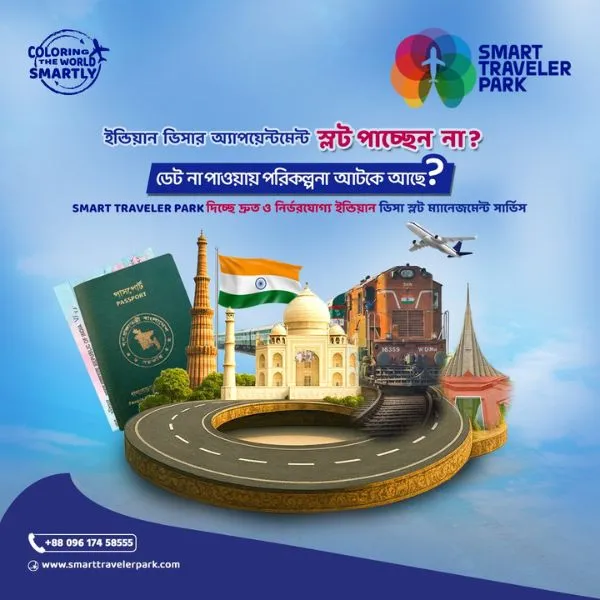
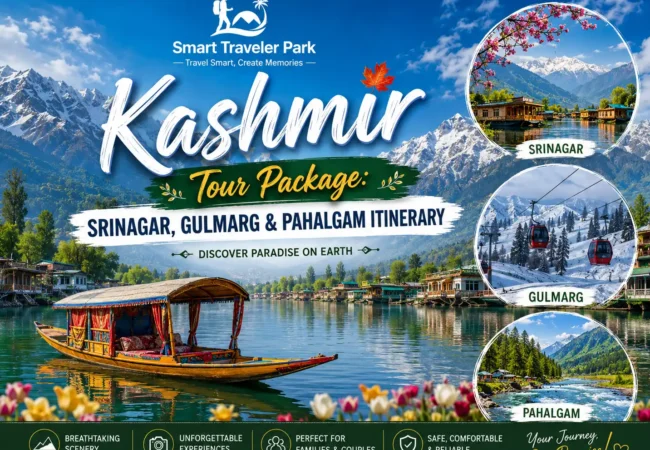
India is a land of staggering contrasts and profound history, often described as a "subcontinent" due to its sheer scale and diversity. As the world’s most populous democracy, it serves as a vibrant mosaic of cultures, religions, and landscapes. India is primarily famous for its ancient heritage, being home to one of the world's oldest civilizations. From the snow-capped peaks of the Himalayas to the tropical backwaters of Kerala, the country’s geography is as varied as its traditions.
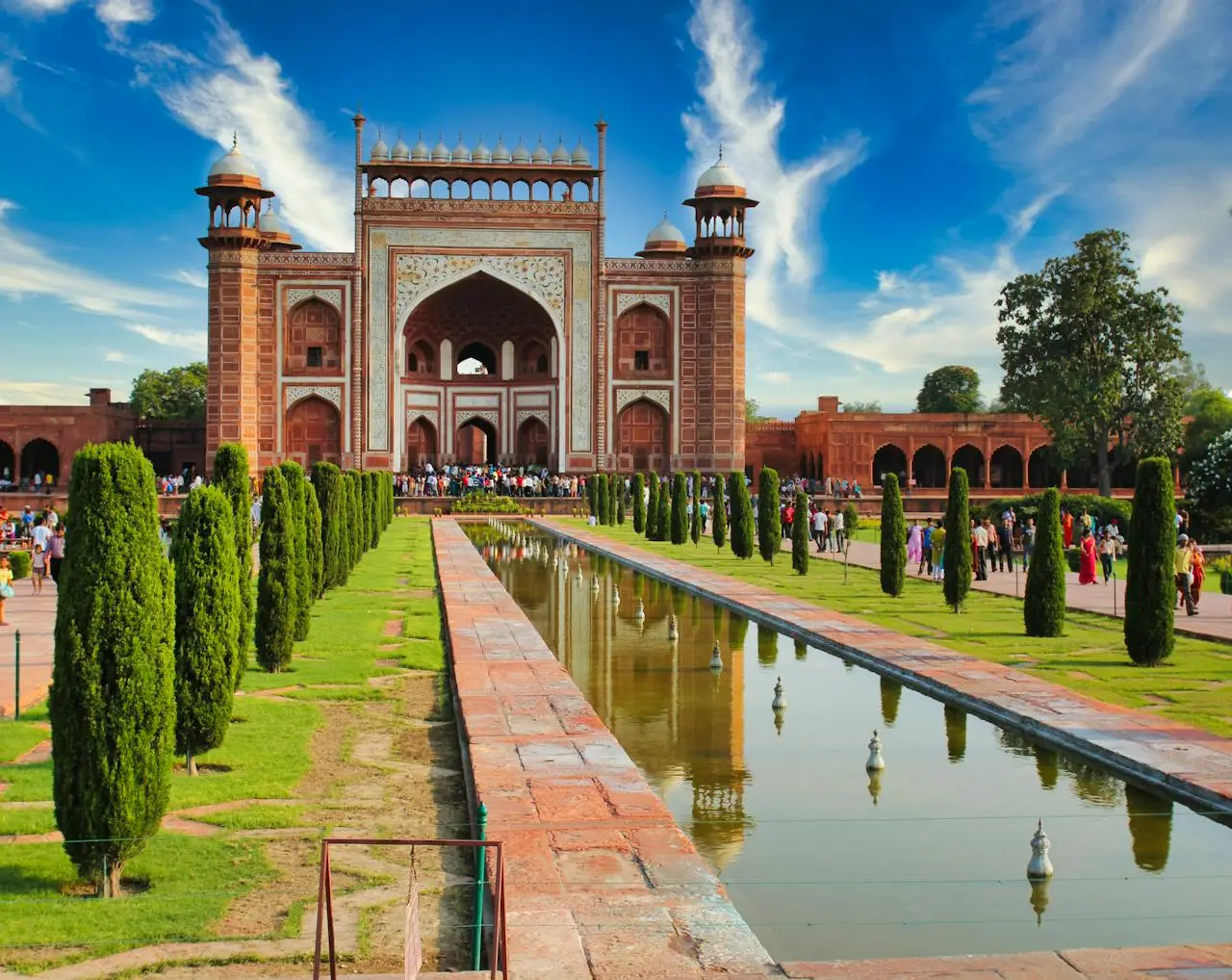
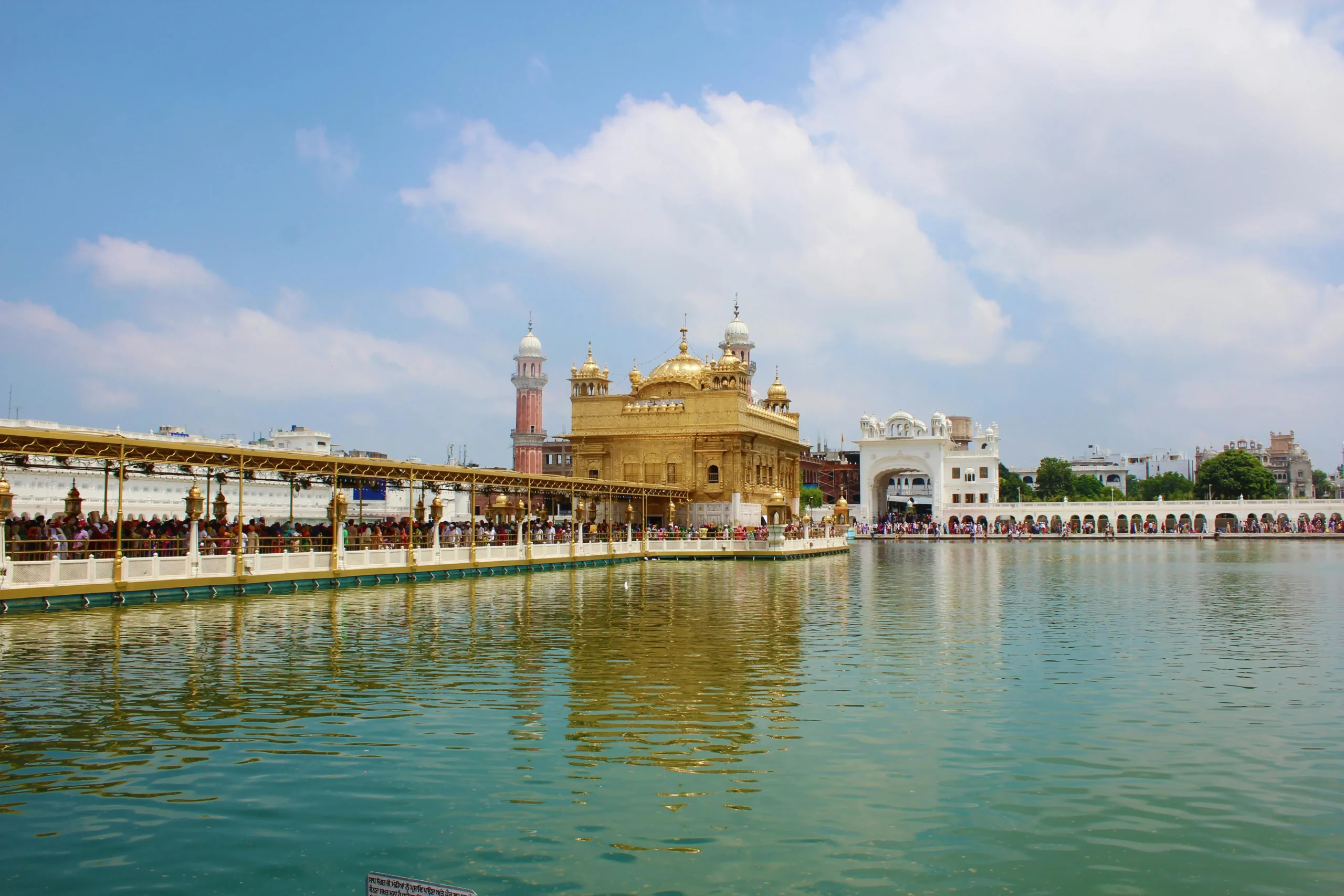
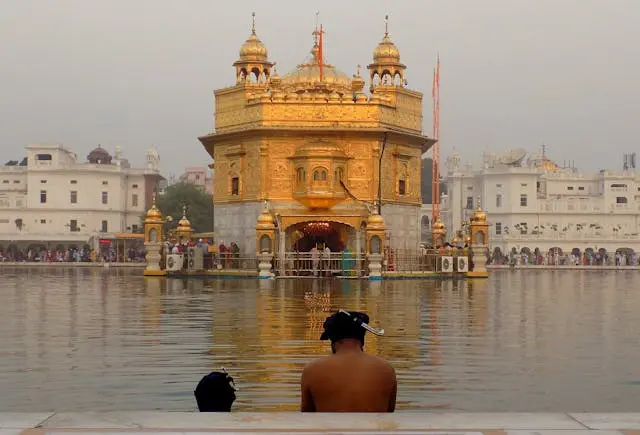
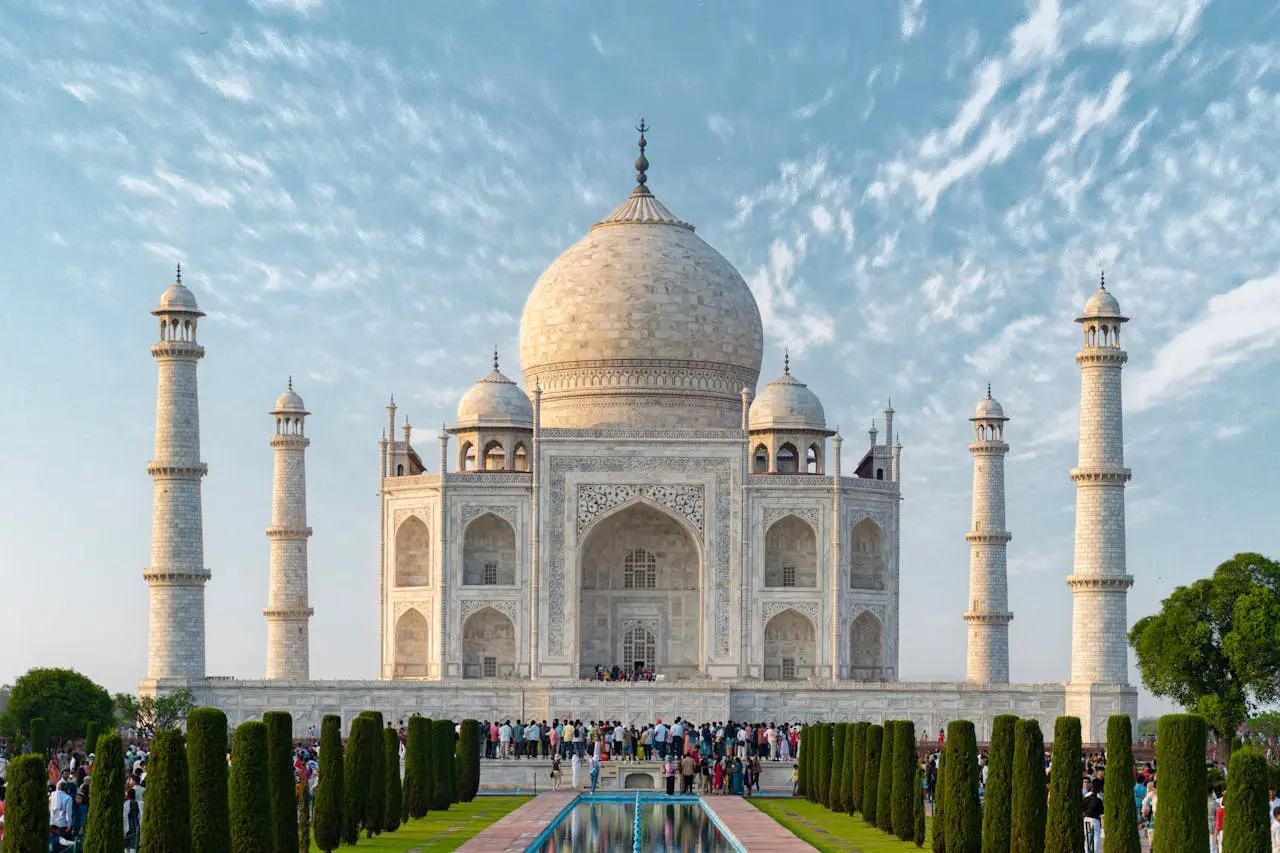
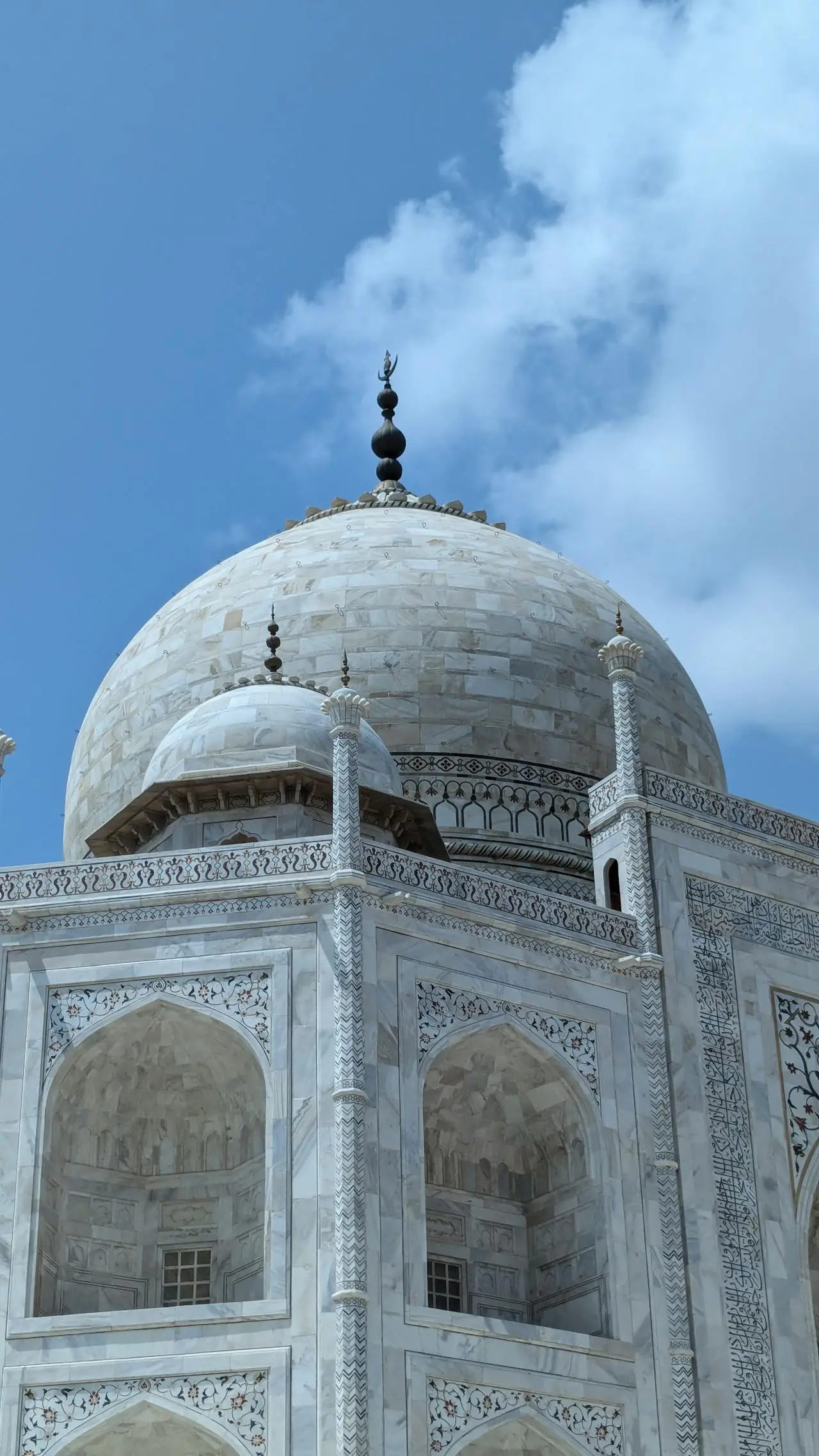
The nation is globally renowned for its architectural marvels, most notably the Taj Mahal, a symbol of eternal love. Beyond the monuments, India has shaped global culture through its spiritual contributions, being the birthplace of Hinduism, Buddhism, Jainism, and Sikhism. Practices like Yoga and Ayurveda, which originated here thousands of years ago, are now staples of modern wellness worldwide.
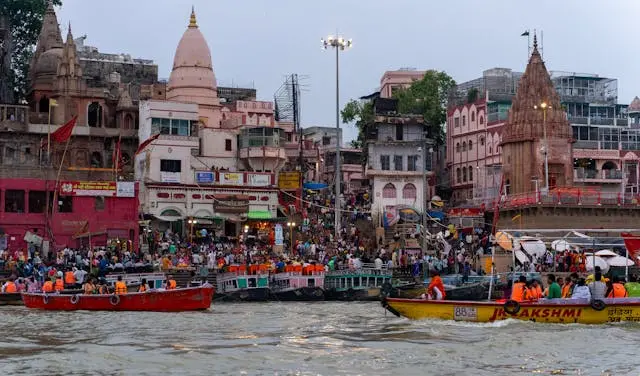
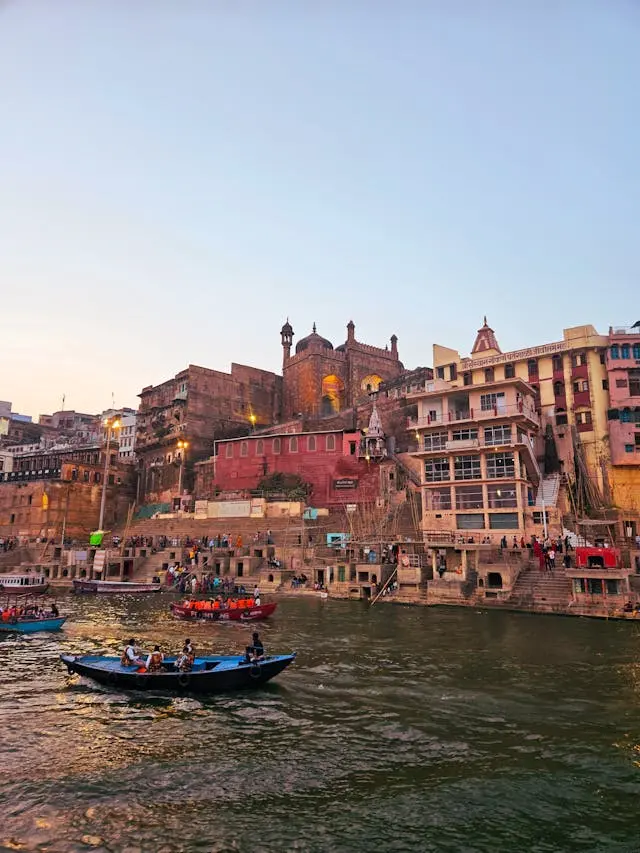
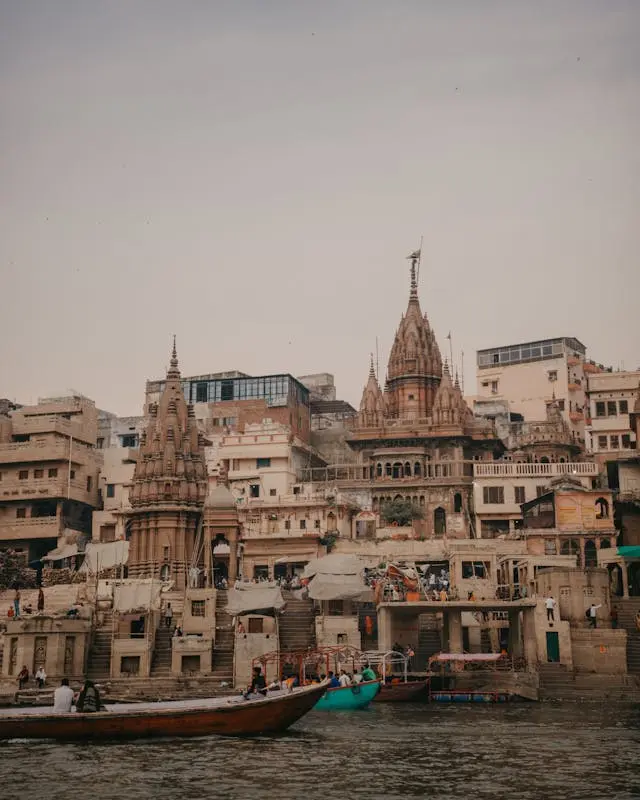
India is also a culinary powerhouse. Its cuisine, famous for the sophisticated use of spices, varies drastically from region to region, offering everything from the hearty curries of the north to the coconut-infused dishes of the south. In the modern era, India is recognized as a global hub for technology and cinema (Bollywood), blending its deep-rooted traditions with rapid economic growth. Whether it is the riot of colors during the Holi festival or the spiritual serenity of the Ganges in Varanasi, India offers an sensory experience that is truly unique, earning it the title "Incredible India."
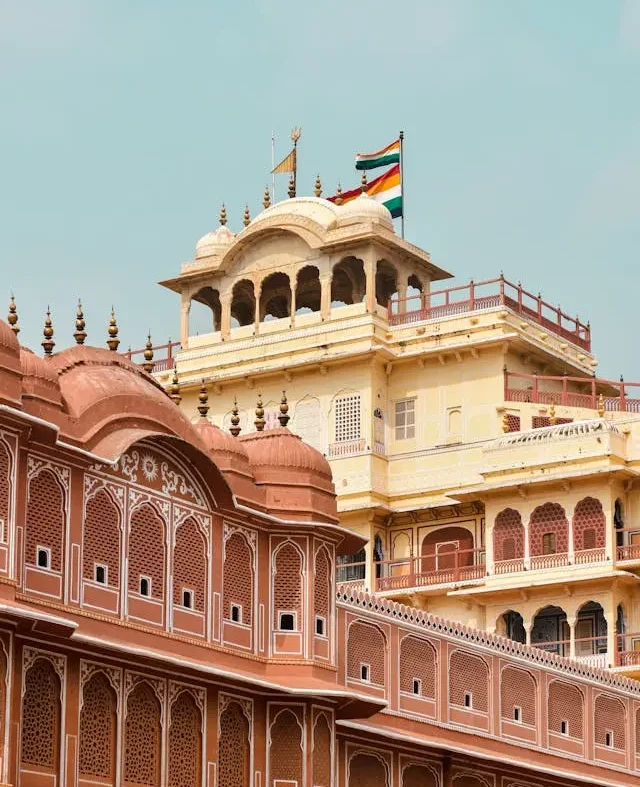
Traveling to India is often described as a life-changing experience because it offers a depth of immersion that few other places can match. Visitors are drawn to the country to witness the seamless coexistence of the ancient and the modern, where 16th-century forts stand alongside bustling tech hubs. The warmth of Indian hospitality, encapsulated in the proverb "Atithi Devo Bhava" (The guest is God), ensures that travelers feel welcomed into a world of vibrant colors, aromatic flavors, and soul-stirring landscapes.
TAXES INCL/PERS

TAXES INCL/PERS
TAXES INCL/PERS